
You ever have one of those days where you're already hanging by a thread, and then life decides to light the whole damn thread on fire?
That was me.
You know that feeling when your body is at work, but your soul checked out weeks ago? That dead-eyed stare, the fake smile, the slow unraveling from the inside?
That was me, too.
I worked in customer service. Not the "smile and nod" kind. The "40 calls in 3 hours while your soul slowly evaporates" kind.
The kind where you're not a person—you're a human shield for corporate screw-ups. Emotional crash dummies—paid to absorb the impact of every corporate mistake, then forced to smile like we enjoyed it. The Slow Unraveling They called it "the grind." We called it survival
Our team was bleeding people. Employees quit faster than they could hire replacements. The workload piled up like dirty laundry, and we were the ones expected to fold it—while still wearing it and smile about it.
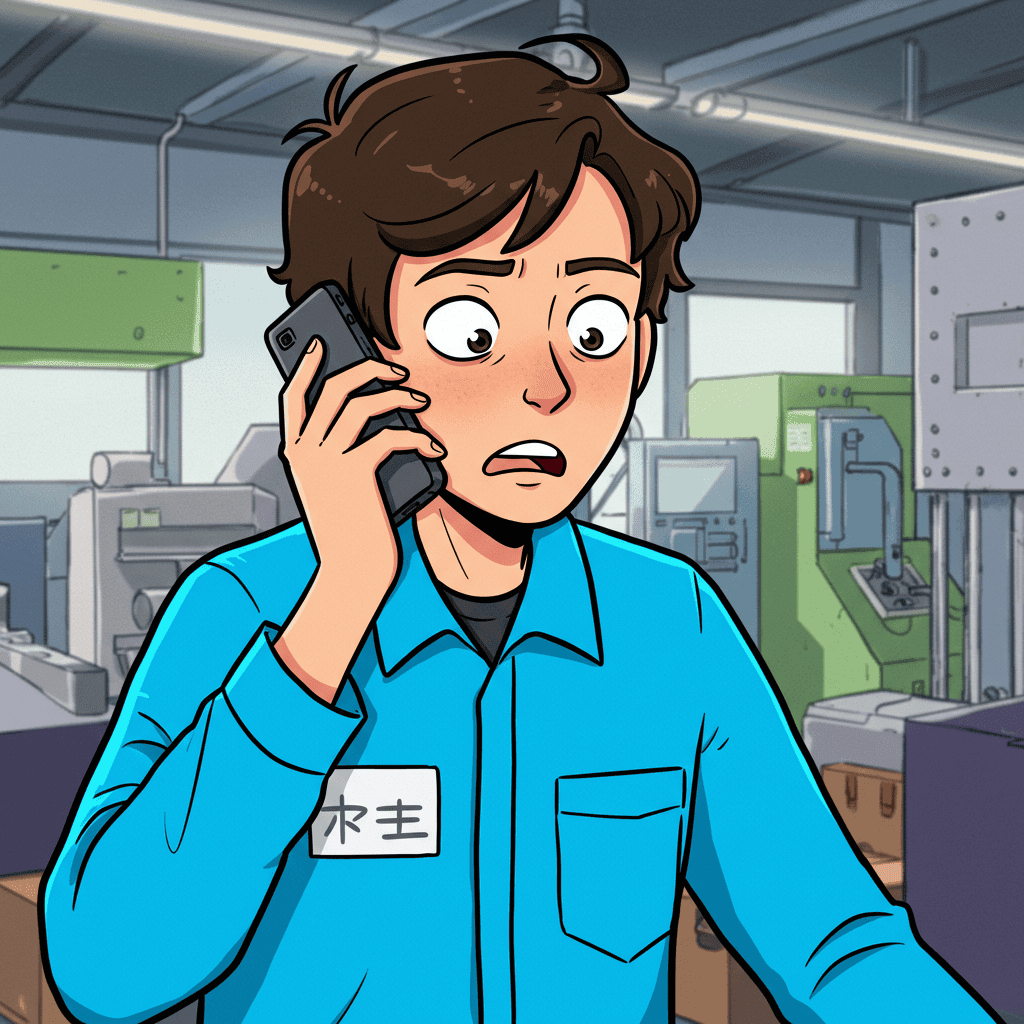
"Just hang in there!" they said.
"This is the grind to success!"
Fucking bullshit.
I was cooked.
I was exhausted.
Burnt out.
Brain fuzzed over like static on a broken TV.
I asked for one damn day off—just one—to breathe.
My boss sighed like I'd asked for a kidney.
"You know we're short-staffed," he said. Like it was my fault.
So I dragged myself back. Head pounding, eyes burning from screen fatigue.

Then the bomb dropped.
"Hey, So Your Appointment Doesn't Exist"
Somebody in scheduling had royally screwed up.
A whole batch of inspections had been double-booked, or not booked at all. And guess whose job it was to call 30-40 furious customers and tell them?
"Sorry, sir, I know you took time off work for this, but... yeah, we don't actually have you down."
"Ma'am, yes, I see your confirmation email, but—no, the system didn't... no, I don't know why."
Some were already at the shop. Mid-service.
I had to call and say, "Uh... stop everything. We messed up."
The man's voice wasn't just angry—it was white-hot, the kind of rage that makes your palms sweat through the headset. "You incompetent fucks! I burned a vacation day for this!"

I could see him even through the phone: jaw clenched, face red, gripping his steering wheel like he wanted to rip it off. The script in front of me blurred.
And I had to sit there, taking it, while my nails dug half-moons into my own thighs.
Part of me understood—this screwed his whole week. But the other part? The part that hadn't slept in days? That part wanted to scream back:
'You think I wanted this?
You think I enjoy being the human punching bag for some office drone who can't use a fucking calendar?'
But I couldn’t.
In customer service, the rulebook might as well be tattooed on your soul:
'Apologize. Fix it. Never snap.'
So I swallowed the acid rising in my throat and said—again—'I'm so sorry, sir.'
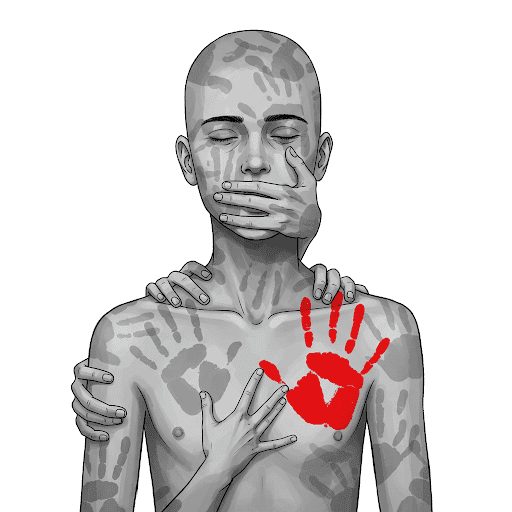
The Voice in My Head
But something inside cracked.
With every
"I hope they fire your useless ass over this!" (Because I couldn't magic a technician across state lines)
Do you even HAVE a brain? Or just a script?" (When I needed her to repeat her tracking number)
"I'll make sure everyone knows how fucking incompetent you people are!" (After being on hold for 1 minutes)
The voice in my head could not keep quiet
"Why am I getting screamed at?"
"I didn’t mess this up."
I didn't break the system!
Why am I the one bleeding for this?
"Why aren’t they here? Why am I doing cleanup for people who are hiding in meetings?"
Each call felt like another stone on my chest.
Another invisible bruise.
And still—apologize. Smile. Take it.
Corporate Rule #1: The customer is always right.
Reality: The customer is always furious, and you're always wrong.
The Breaking Point
I didn't go to the manager's office - I stormed it. My hands were shaking. Not from fear—from adrenaline. "Why the hell am I getting death threats for their mistake?"
He opened his mouth to spit some corporate script, but I locked eyes with him and hissed, "No. You look at me while I tell you how today went. You look at the person you threw to the wolves."
For one second—just one—he flinched. And I knew: he saw it. The fury. The brokenness. The human behind the headset.
Silence. Then—a write-up the next day. For "unprofessionalism."
As if professionalism meant accepting abuse as a job requirement.
But you know what? It was worth it.
Because for the first time, someone listened. My manager actually took it upstairs. Slowly, things changed. More staff. Better systems. Fewer "clean up their mess" disasters.
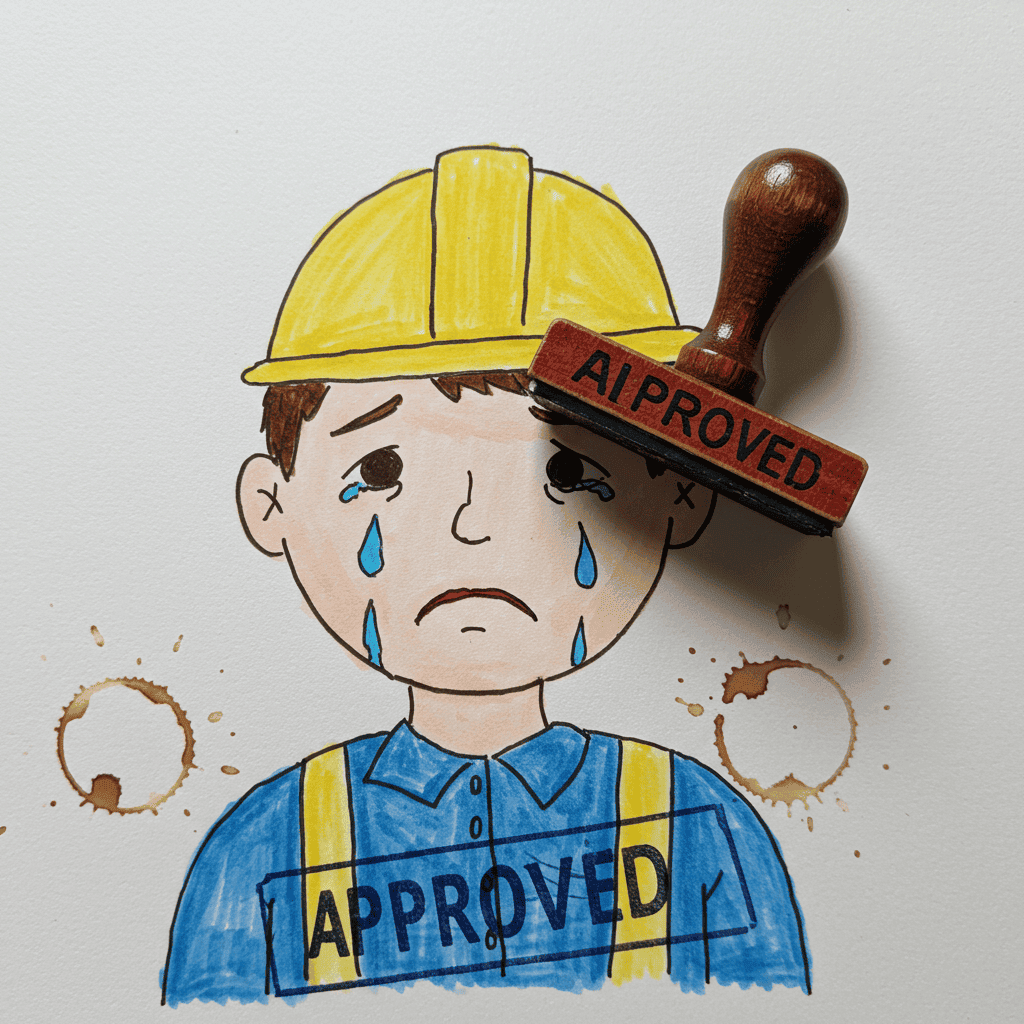
The Real Lesson
Companies love to preach "The customer is always right"—until their mistakes backfire. Then? Frontline workers become emotional punching bags.
We're not robots. We're not shock absorbers. And no paycheck is worth your sanity.
What Needs To Change
If companies truly care about customer experience, they’ll start by protecting the humans who deliver it.
- Real Accountability: Leadership must take direct responsibility for organizational errors rather than allowing frontline workers to absorb blame. This means clear internal accountability systems that do not push fallout onto the lowest-paid workers.
- Emotional Support Systems: Regular access to mental health resources, structured decompression time after intense interactions, and empathetic leadership training can reduce burnout.
- Employee Empowerment: Frontline workers should be granted real input into policies that affect their roles. Their feedback, especially during crisis response, should be treated as critical data—not complaints.
- Clear Boundaries Around Abuse: Companies must implement and enforce policies that protect employees from verbal abuse, including the right to disengage from hostile customers with full managerial backing.
- Shift in Corporate Culture: Organizations need to stop romanticizing resilience and instead prioritize sustainability—recognizing that support, not sacrifice, leads to long-term employee retention and well-being.
Final Thought: The Rock Test
Bullshit.
If the answer’s not crystal clear?
It’s time to fix the system.
Because until that happens?
The best people will keep walking out.
And honestly?
They should. I did